


-

Add: HeBei ShengShi HongBang Cellulose Technology CO.,LTD.
-

Email
13180486930@163.com -

CONTACT US
+86 13180486930
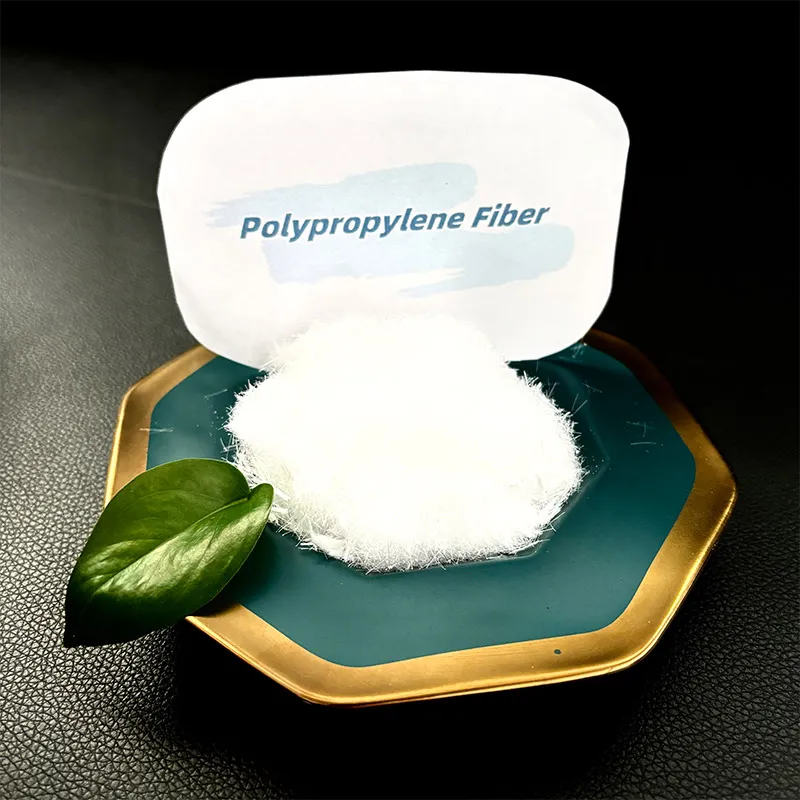
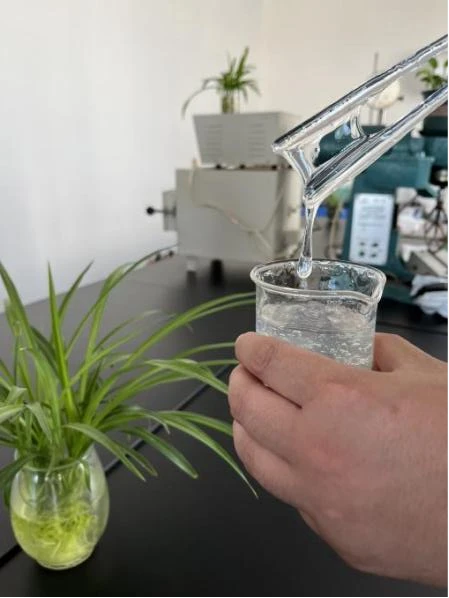
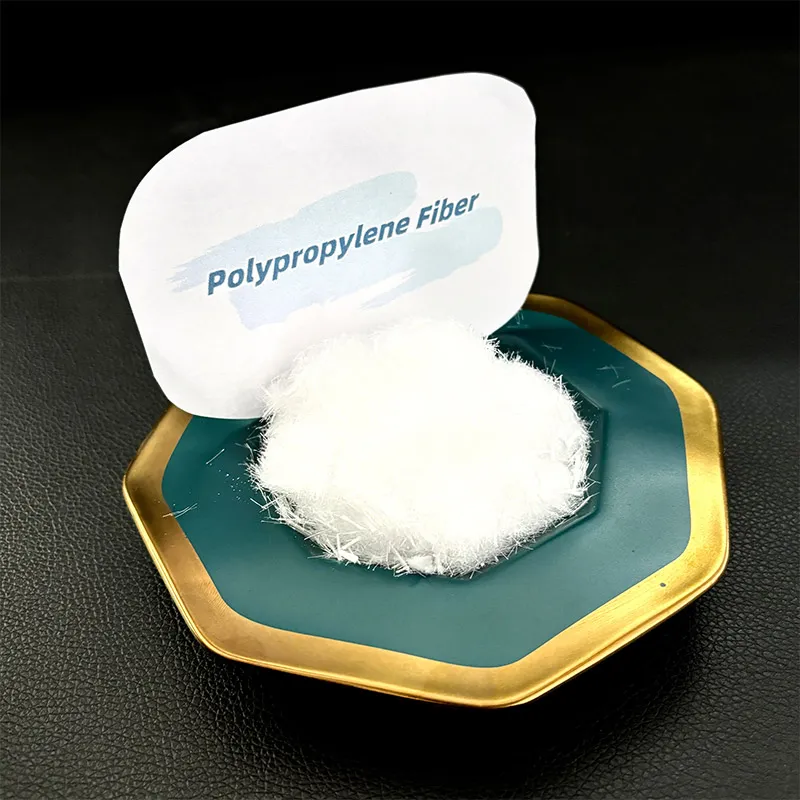


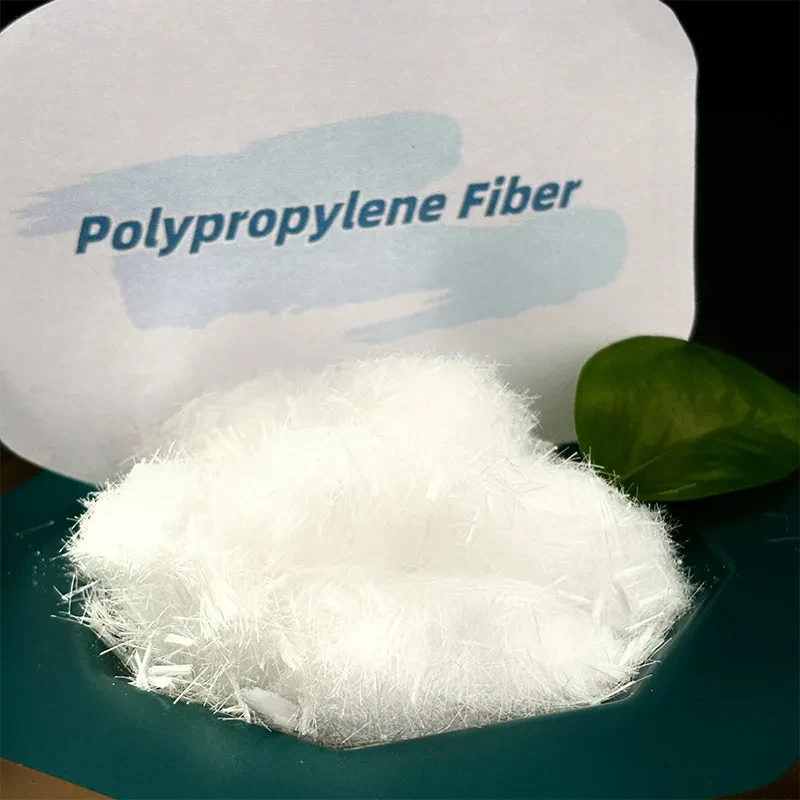
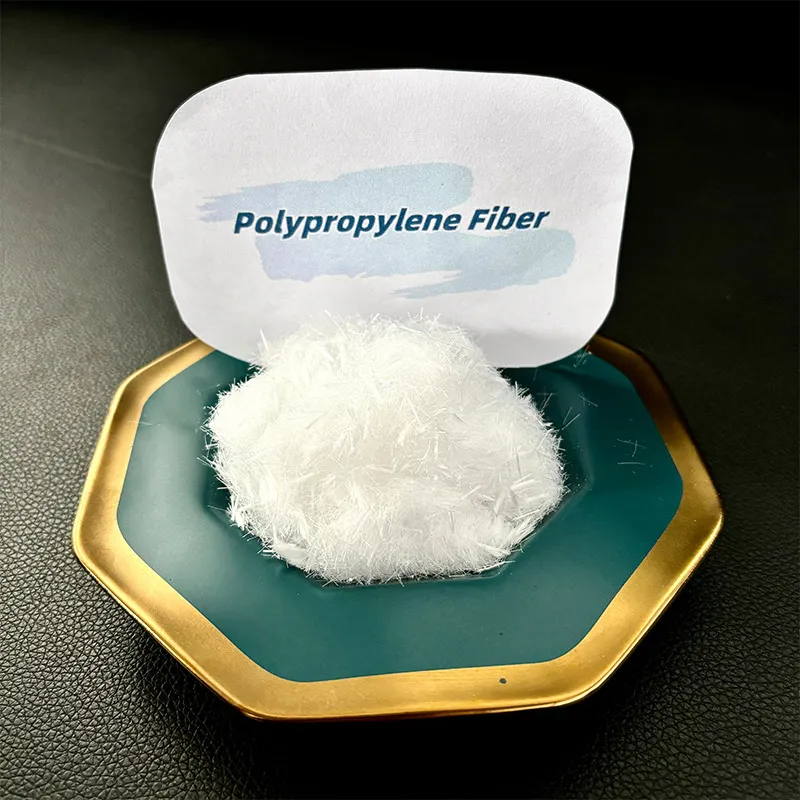
Le Polypropylène Un Acteur Clé dans l'Industrie des Matériaux Le polypropylène, un polymère thermoplastique issu de la polymérisation du propylène, est devenu un matériau incontournable dans diverses industries. Il est largement utilisé en raison de sa polyvalence, de sa légèreté, et de sa résistance aux produits chimiques. Son utilisation s'étend des emballages aux textiles, en passant par les composants automobiles et les biens de consommation. Propriétés du Polypropylène Le polypropylène se distingue par plusieurs propriétés qui en font un choix privilégié pour de nombreuses applications. Tout d'abord, ce matériau est exceptionnellement résistant à la chaleur, ce qui le rend adapté à des environnements où d'autres plastiques pourraient fondre ou se déformer. De plus, il présente une excellente résistance aux chocs, une durabilité qui lui permet de résister à un usage intensif, et il est également imperméable à l'eau, ce qui le rend utile pour les produits ayant des besoins de résistance à l'humidité. Une autre caractéristique remarquable du polypropylène est sa légèreté. Cela permet de réduire le poids des produits finaux, ce qui est particulièrement avantageux dans l'industrie automobile où chaque kilogramme économisé peut améliorer l'efficacité énergétique des véhicules. Enfin, le polypropylène est recyclable, ce qui est essentiel dans une époque où la durabilité et la réduction des déchets sont des préoccupations majeures. Applications du Polypropylène produsen serat polipropilen Les applications du polypropylène sont vastes et variées. Dans le secteur de l'emballage, par exemple, il est utilisé pour fabriquer des films d'emballage, des containers et des bouteilles en plastique. Sa résistance à l'humidité et aux produits chimiques le rend idéal pour les matériaux d'emballage alimentaires, contribuant ainsi à prolonger la durée de conservation des produits. Dans l'industrie textile, le polypropylène est utilisé pour fabriquer des non-tissés, des vêtements, et des tapis. Sa capacité à être teint et à conserver sa forme en fait un choix idéal dans la mode et le design d'intérieur. De plus, dans le secteur automobile, le polypropylène est utilisé pour des pièces intérieures, des panneaux de porte et des composants structuraux, offrant une combinaison de légèreté et de robustesse. Avantages Environnementaux L'un des avantages les plus significatifs du polypropylène est sa recyclabilité. De nombreux pays ont mis en place des systèmes de collecte pour encourager le recyclage des plastiques, y compris le polypropylène. En repensant notre approche de l'utilisation des plastiques, nous pouvons contribuer à la réduction des déchets plastiques dans les décharges. De nombreuses entreprises se tournent vers des matériaux recyclés pour produire de nouveaux produits en polypropylène, favorisant ainsi une économie circulaire. Conclusion En somme, le polypropylène représente un matériau essentiel dans le monde moderne. Sa combinaison unique de propriétés, sa légèreté, sa résistance et sa recyclabilité en font un choix idéal pour une multitude d'applications. Alors que le monde continue de se concentrer sur la durabilité et l'innovation, le polypropylène est bien positionné pour jouer un rôle de leader dans le développement de solutions matérielles durables et efficaces. L'avenir du polypropylène semble prometteur, tant pour les producteurs que pour les consommateurs, dans un monde où les choix de matériaux durables sont de plus en plus déterminants.
- 40000tons

Production
- 20+years

Experience
- 5000+㎡

Acreage

-
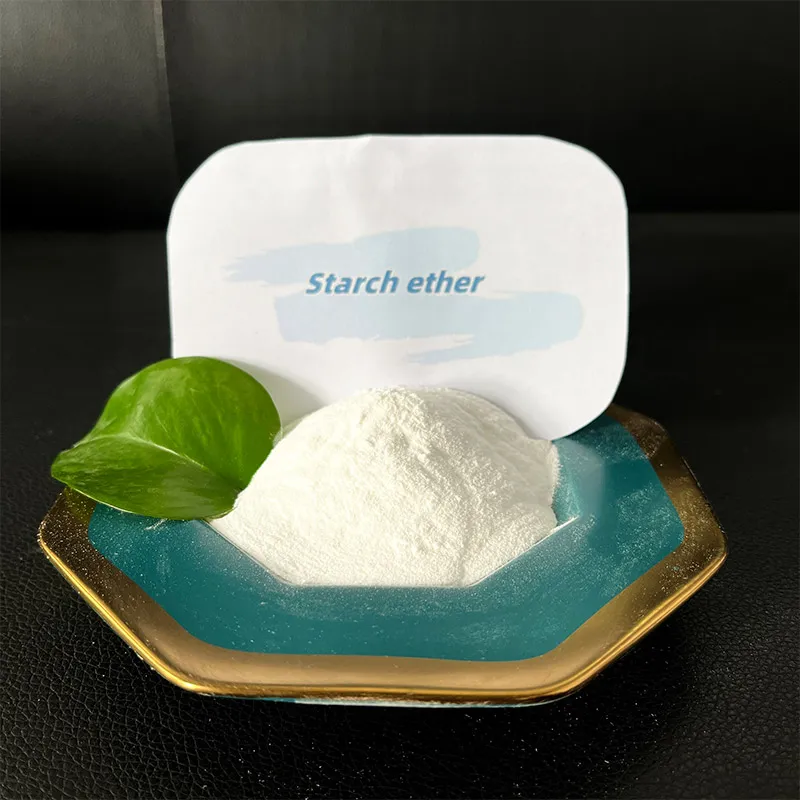
Exploring the Intricacies of Hydroxyethyl Starch (HES) A Critical Product Insight Hydroxyethyl starch (HES) is a synthetic derivative of amylopectin, a polysaccharide that has carved a niche for itself in the medical field as a plasma volume expander. The significance of HES lies in its ability to mimic the colloidal properties of human plasma, rendering it instrumental during surgeries and in managing cases of hypovolemia, where blood volume is critically low. This article delves into the complexities of HES, offering an experience-driven, expert, and authoritative narrative that is both informative and trustworthy. In medical practice, the utility of HES is multifaceted. Its primary function is to stabilize patients undergoing major blood loss by maintaining hemodynamic parameters. Over the years, various formulations of HES have been developed, each differing in molecular weight and degree of molar substitution, influencing both their efficacy and safety profiles. The unique behavior of HES in the human body depends heavily on these characteristics, which are crucial for appropriate clinical applications. From a clinical perspective, the choice of using HES over other volume expanders depends on several factors. Experience from various case studies indicates that HES is favored in scenarios where rapid plasma volume expansion is necessary. Its ability to prolong intravascular retention without causing a rapid shift of fluids into the extravascular space is one of its most valued traits. Experts emphasize the importance of understanding the pharmacokinetics of HES, highlighting that products like HES 130/0.4 are optimized for their balance between effectivity and safety. hes hydroxyethyl starch Expertise in the administration of HES is vital. With growing concerns regarding the safety of synthetic colloids, it becomes essential to ensure accurate dosing based on the patient's physiological status and the severity of hypovolemia. Recent research supports cautious use, advocating for monitoring kidney function due to potential nephrotoxic effects especially in critically ill patients. This aligns with findings from several controlled studies revealing that HES can impact renal outcomes dependent on product type and patient status, reinforcing the need for careful patient selection. The regulatory landscape surrounding HES underscores the importance of authoritative guidance. Regulatory bodies like the U.S. FDA and the European Medicines Agency have issued guidelines and warnings regarding its use, primarily aimed at restricting it to situations where benefits outweigh risks. These organizations stress the necessity for healthcare providers to exercise clinical judgment, backed by authoritative recommendations, ensuring that the use of HES aligns with current safety standards. Trustworthiness in HES usage also translates to transparency in patient communication. Ensuring patients are aware of the potential risks and benefits associated with HES formulations is critical. Informed consent becomes more than a formality; it is a cornerstone of patient care that fosters trust and compliance. This integrative approach not only supports patient autonomy but also facilitates better clinical outcomes by aligning patient expectations with therapeutic goals. In conclusion, hydroxyethyl starch remains a significant tool in the arsenal of volume expanders within medical settings . While its usage requires a delicate balance of experience, expertise, and cautious regulation adherence, its benefits—when deployed appropriately—are irrefutable. Ongoing research and evolving guidelines will continue to shape the landscape of HES application, reaffirming the need for a thorough understanding of its nuances by healthcare professionals. This ensures not only optimal patient outcomes but also fortifies the standing of HES as a trusted and reliable medical product in managing plasma volume deficits.
-
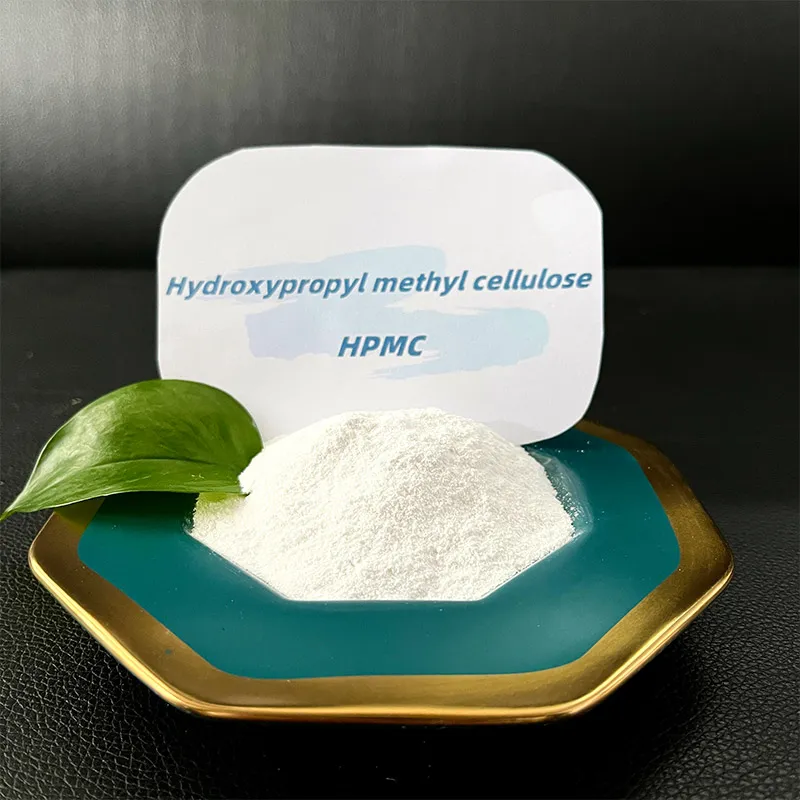
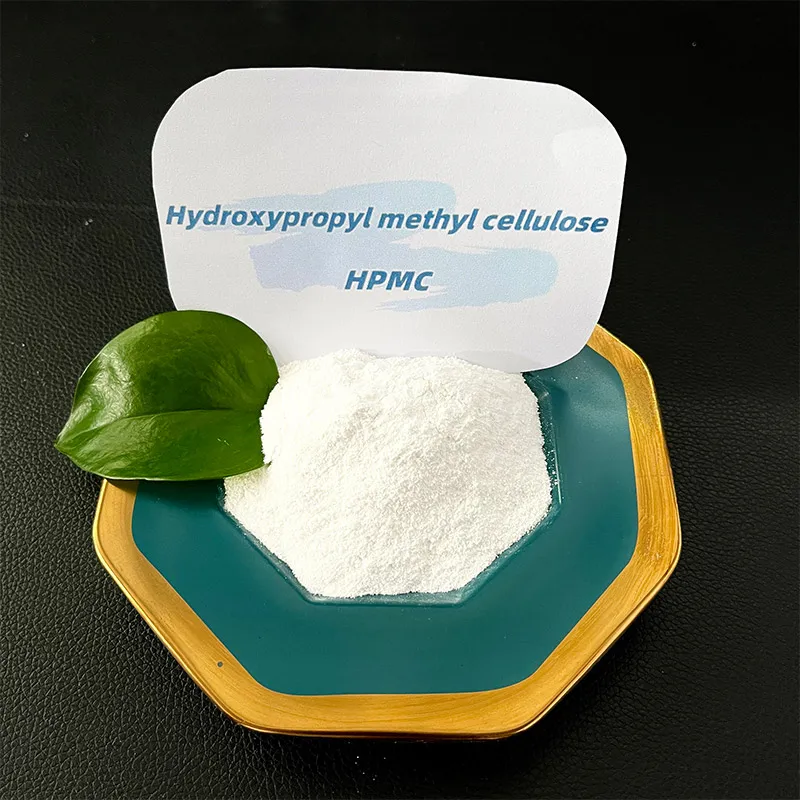
Hydroxypropyl methylcellulose (HPMC) is a versatile and reliable polymer commonly adopted in various industries, known for its exceptional properties and diverse applications. Leveraging firsthand experience and expert knowledge can significantly enhance the understanding of HPMC's roles in product formulations and manufacturing processes, establishing its reputation for reliability and effectiveness. Manufacturers have long endorsed HPMC as a critical component in the pharmaceutical industry for its powerful film-forming capabilities, which are crucial in developing tablet coatings. These coatings serve multiple purposes, such as masking unpleasant tastes, protecting the active ingredients from environmental factors, and ensuring controlled release of medication, thus enhancing drug efficacy and patient compliance. Its non-toxic nature furthers its reliability, promoting trust among healthcare professionals and consumers alike, enforcing its authoritativeness in demanding healthcare applications. In the construction sector, HPMC is extensively utilized due to its ability to provide ideal water retention and workability in cement-based products, such as tile adhesives and renders. The material's consistency ensures seamless application and stable adhesion properties, which reduces shrinkage and cracking in cured cement, reinforcing structural integrity. Years of expertise in construction formulations underscore the importance of HPMC in achieving high-performance and durable outcomes, elevating its perceived trustworthiness among builders and contractors. Moreover, the food industry benefits from HPMC's flexibility as a dietary fiber supplement and an emulsifier . Its use in low-fat foods and gluten-free products demonstrates its indispensable role in delivering desirable textures and palatability while maintaining nutritional profiles. Chefs and food technologists acknowledge the polymer's capacity to stabilize foams and gels, underpinning its crucial function in modern culinary innovations, reinforcing its authoritative presence in food technology. hpmc is used as In the realm of cosmetics, HPMC showcases its multifaceted utility in formulating personal care products like lotions, creams, shampoos, and gels. Offering desirable viscosity control and moisture retention, it ensures optimal product performance that meets consumer expectations for skin and hair care. The confidence placed in HPMC by formulators and dermatological experts reinforces its credibility and promotes its widespread acceptance as a key functional ingredient in beauty products. Overall, HPMC's polymeric structure allows it to play integral roles across industries, emphasizing its superior functional benefits that stand the test of expert scrutiny. Its non-reactivity, environmental stability, and hydrophilic characteristics enhance its desirability across technical applications, reflecting a level of reliability and expert endorsement that other materials strive for but seldom achieve. The continued application and innovation around HPMC across diverse sectors underline its enduring reputation for quality and reliability. Drawing on comprehensive professional experiences and authoritative research, its versatility and effectiveness as a stabilizing and binding agent secure its forward-looking presence in cutting-edge product development. Industries can rely on such a trusted ingredient, secure in the knowledge that it will consistently meet and exceed expectations, underlining its indispensable role wherever it's used.
advantages
-

200000 Viscosities
Excellent product
We can produce pure products up to 200,000 viscosities
-

40000 tons
High yield
We don’t stop production all year round, and the annual output can reach 40,000 tons
-

24 hours
Quality service
We provide 24-hours online reception service, welcome to consult at any time
———— Inquiry Form
Schedule A services
-
 hpmc_eye_ointment
Oct . 25, 2025
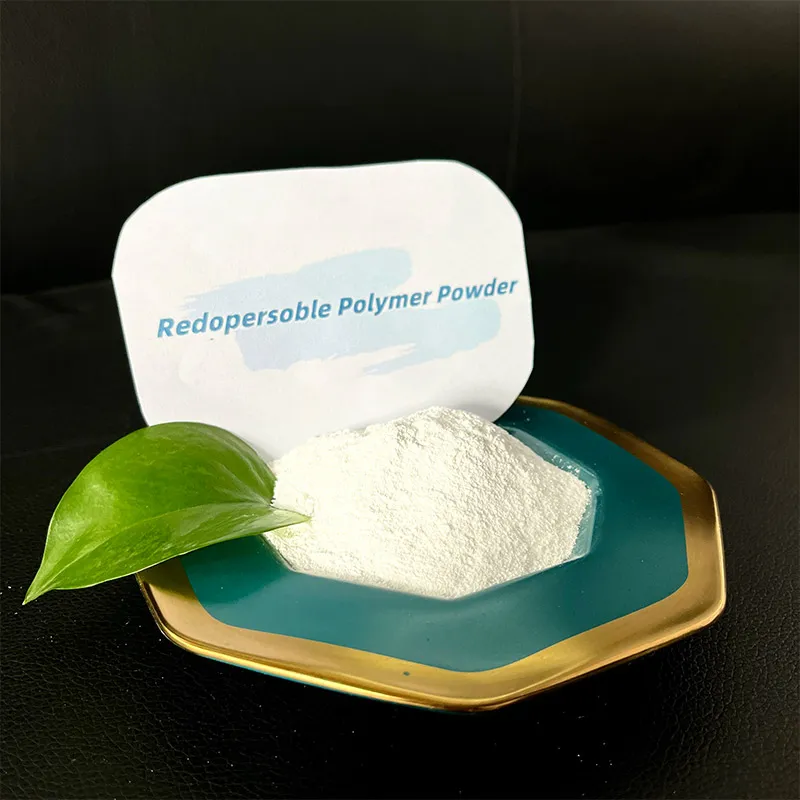
Understanding the Price of Dispersible Polymer Powder Trends and Implications The global market for -
 fibra_de_polipropileno_para_hormigon
Oct . 25, 2025
Methyl hydroxyethyl cellulose (MHEC) is a versatile compound primarily used in the construction , ph -
 kemikali_ya_kuzuia_jasi
Oct . 25, 2025
L’idrossipropilmetilcellulosa (HPMC), con il suo grado specifico E5, ha attirato l'attenzione di mol


